Plant-Based Through Menopause: Why It's Not Too Late and You're Not Stuck
By Ami · 4 July 2026 · 5 min read
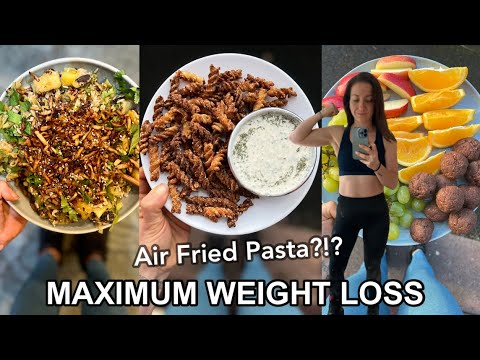
Menopause can shift your body in ways nothing you tried before seems to touch. Here's why a whole-food plant-based approach is so kind through midlife, soya included.
If the weight crept on around menopause and nothing you used to do is touching it, I want you to hear this first, before anything else. You are so not alone, and you have not failed. Our bodies genuinely do shift in midlife. The things that worked in your thirties can stop working, and it is not because you have gone soft or stopped trying. It is because the goalposts moved, and nobody handed you the new map.
I hear from so many women who feel quietly bewildered by this. They were doing all the right things, the same things that used to work a treat, and suddenly the old approach just sort of stalls. That is real, and it deserves a kinder explanation than "you must be doing something wrong." So let me give you one, and a way of eating that actually works with your body through this season rather than against it.
Why midlife changes the rules
Menopause brings shifts in hormones, and those shifts can change how and where your body holds weight, how hungry you feel, and how your energy ebbs through the day. It can also nudge things like sleep, mood, and how settled your tummy feels. None of that is a character flaw. It is biology, and biology responds best to gentleness and consistency, not to crackdowns.
Here is the hopeful bit. This does not mean you are stuck. It means the approach adapts. The same way you would not wear the same coat in every season, you do not have to cling to the diet that suited a younger version of you. You get to learn the new rhythm. And honestly, the woman who leans into learning rather than into self-blame tends to come out the other side feeling more in charge of her body, not less.
Why whole plants are so kind right now
A whole-food plant-based way of eating is genuinely lovely through menopause, and not because it is restrictive. Quite the opposite. It lets you eat big, satisfying, comforting plates while keeping them naturally lighter for their size. Vegetables, fruit, potatoes, beans, lentils, and whole grains are full of water and fibre, so they fill you up and settle you without sitting heavy.
That fibre matters more than ever now. It is gentle on digestion, helps things move along comfortably, and keeps you fuller for longer, which calms the grazing that can creep in when sleep is patchy and energy is low. The biggest thing quietly weighing down "healthy" plates is usually oil, plus very large amounts of nuts, nut butter, or avocado. Cooking without oil is the single change that lets your portions get bigger while the heaviness drops away. You are not eating less. You are eating more of the food that loves you back.
Please do not fear the soya
This one comes up every single time, so let me settle it. There is a long-standing worry that soya is somehow risky for women in midlife, and the evidence simply does not support that fear. Soya foods like tofu, tempeh, edamame, and soya milk are a brilliant, easy source of plant protein, which becomes especially important as we want to hold on to our strength through the years. Far from being something to avoid, soya may even be supportive during menopause. So keep the tofu in your basket and the soya milk in your tea. It is a friend.
Lean into learning, not loathing
The women who find their feet again in midlife tend to have one thing in common. When the old approach stopped working, they got curious instead of cruel. They treated the change as information, not a verdict. They got back in touch with their bodies, learned the new rules, and let go of the negative self-talk that never helped anyone shift a single thing.
Watch
My own body has changed a lot over the years, through babies and breastfeeding and into a new decade, and I have had to learn the new rhythm more than once. I had an honest chat about that, alongside a full day of eating for staying lean and building strength, in A full day of eating to get lean and build muscle, with an honest body chat.
It really is not too late, and you really are not stuck. Your body is asking for a slightly different kind of care now, that is all, and a plateful of whole plants is a beautiful place to give it.
Menopause weight gain? Get your new map.
You deserve an approach that works with your body now, not the one you had at thirty. Coaching is where we find your new rhythm together. Apply below.
Free to apply. No pressure, just a chat.
Quick answers
Why am I gaining weight during menopause?
Hormonal shifts change where your body holds weight, how hungry you feel and how you sleep. It is biology, not failure, and it responds to gentle consistency rather than crackdowns.
Is a plant-based diet good for menopause?
It is very kind. Big fibre-rich plates keep you full and settled, help digestion, and calm the grazing that creeps in when sleep is patchy. Keeping oil out lets portions grow while the heaviness drops.
Is soya safe during menopause?
Yes. The fear is not supported by the evidence. Tofu, tempeh, edamame and soya milk are brilliant protein sources for holding on to strength in midlife and may even be supportive.
Topics
- menopause weight gain
- how to lose weight during menopause
- plant based diet menopause
- perimenopause weight loss
- soy and menopause
- midlife weight loss women
- menopause belly fat diet
- vegan diet for women over 50
- fibre menopause
- Broccoli Mum
Ami x 🥦
Broccoli Mum