Calorie Density: How I Eat Bigger Meals and Still Lose Weight
By Ami · 2 June 2026 · 6 min read
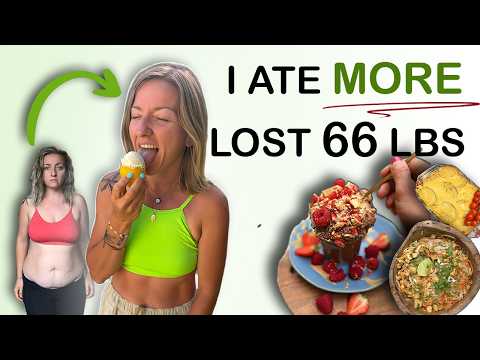
We were all handed the same script: eat less, shrink the plate, push back from the table still hungry. That script is why nothing lasted for me. Here is the idea that let me keep my plates full and finally feel satisfied.
Almost all of us were handed the same script. If you want to lose weight, eat less. Shrink the plate. Push back from the table still wanting more, and call that hunger a sign it is working. Then white-knuckle your way through the evening hoping you can hold out.
That script is exactly why nothing ever lasted for me. I would manage the tiny portions for a bit through sheer stubbornness, but deprivation is not a strategy, it is a countdown. Sooner or later my body would come to collect, and the whole thing would collapse, usually with me face-first in the cupboard wondering what was wrong with me.
Here is what finally moved the needle, and it is almost the opposite of what I had been told. I kept my plates full. I did not shrink anything. What I changed was not the amount of food, but the kind of food filling the plate.
The idea that changes everything: calorie density
Different foods carry wildly different amounts of energy for the same physical space. Whole, water-rich and fibre-rich plants, the veg, the fruit, the potatoes, the beans, the whole grains, are naturally light for their size. They take up a lot of room on the plate and in your stomach without carrying a heavy load. That is the whole secret in one sentence.
Put some numbers on it, because the numbers are what made it click for me. Veggies are roughly 100 calories a pound. Fruit about 300. Potatoes and rice around 400 to 500. Beans around 600. Bread nearer 1,200. Nuts around 2,800. And oil, the one everybody forgets, sits at about 4,000 calories a pound.
So a pound of broccoli and a pound of oil are not remotely the same thing, even though they both fill a pound of space in you. That is calorie density. Once you see it, you cannot unsee it.
Same plate, different fillings
A normal day for me does not look like sad little portions. It looks like a big breakfast, a generous lunch, a proper dinner, and a cheeky dessert most nights. What changed is what those meals are built from.
I lean hard on the foods that fill you up: potatoes and sweet potatoes, big batches of beans and lentils, rice and oats, mountains of veg, and plenty of fruit. These do the heavy lifting on fullness while staying light for their volume. The result is meals that look abundant, feel abundant, and leave me satisfied for hours.
I aim for foods under about 600 calories per pound as my starting point, with a sprinkling of the higher fat stuff on top. Nothing measured, nothing weighed. Just a plate that is mostly the light stuff.
Where the hidden calories actually hide
The flip side is knowing where the heavy stuff lurks, because a lot of it hides inside food that looks perfectly healthy. The single biggest one is oil. A small glug carries a surprising amount, and it adds almost nothing to your fullness. Large amounts of nuts, nut butter and avocado work the same way. Lovely foods, but very concentrated, so they are easy to overdo without ever feeling more full.
When I learned to cook without drowning everything in oil, something brilliant happened. My portions got bigger, not smaller. I had more room on the plate for the foods that actually fill me up. That is the trade nobody told me about: lose the hidden heaviness, gain the volume.
Full, not deprived
The reason this works where eating less never did is simple. It is sustainable. You cannot fight hunger forever, but you do not have to fight it at all if your meals are big and satisfying. No app, no scale, no maths, no portion that leaves you longing. Just food that keeps you full, day after day, which is the only thing that has ever held up for me over the long run.
I am a volume eater. I need massive portions of delicious food every single day. And calorie density is the reason I get to have them.
Watch: I filmed a completely ordinary day of my eating so you can see what this looks like on a real plate. No tiny servings, no miserable salads. I lost 66 lbs without eating less shows you the whole day, plate by plate.
You do not have to choose between feeling full and feeling good about your progress. Build your plate from the right foods and you get both. That is not a compromise, lovely. That is the entire plan.
Enough with tiny portions?
If you want someone to build your full, satisfying plates with you and keep you on track, that is what my coaching is. Apply below for a chat.
Free to apply. No pressure, just a chat.
Quick answers
What is calorie density?
Calorie density is how many calories a food carries for its weight. Veg sits around 100 calories per pound, potatoes around 400, and oil around 4,000. Eating mostly foods under about 600 calories per pound lets you eat big meals and still lose weight.
Which foods are lowest in calorie density?
Non-starchy vegetables, fruit, and brothy soups are the lowest. Potatoes, rice, beans, lentils and porridge come next. Oil, nuts, seeds and processed snacks are the highest.
Do I have to eat less to lose weight?
No. You have to eat less energy, which is not the same thing. If you swap high calorie density foods for low ones, your plate gets bigger and your calories go down at the same time.
Topics
- calorie density
- calorie density chart
- low calorie density foods
- eat more weigh less
- plant based weight loss without hunger
- vegan weight loss
- high volume eating
- full plate weight loss
- whole food plant based
- lose weight without dieting
- satiety foods
- Broccoli Mum
Ami x 🥦
Broccoli Mum